
Disney recently announced a new partnership with OpenAI for the company to become “the first major content licensing partner on Sora,” — OpenAI’s generative AI short-form video platform.

©Disney x OpenAI
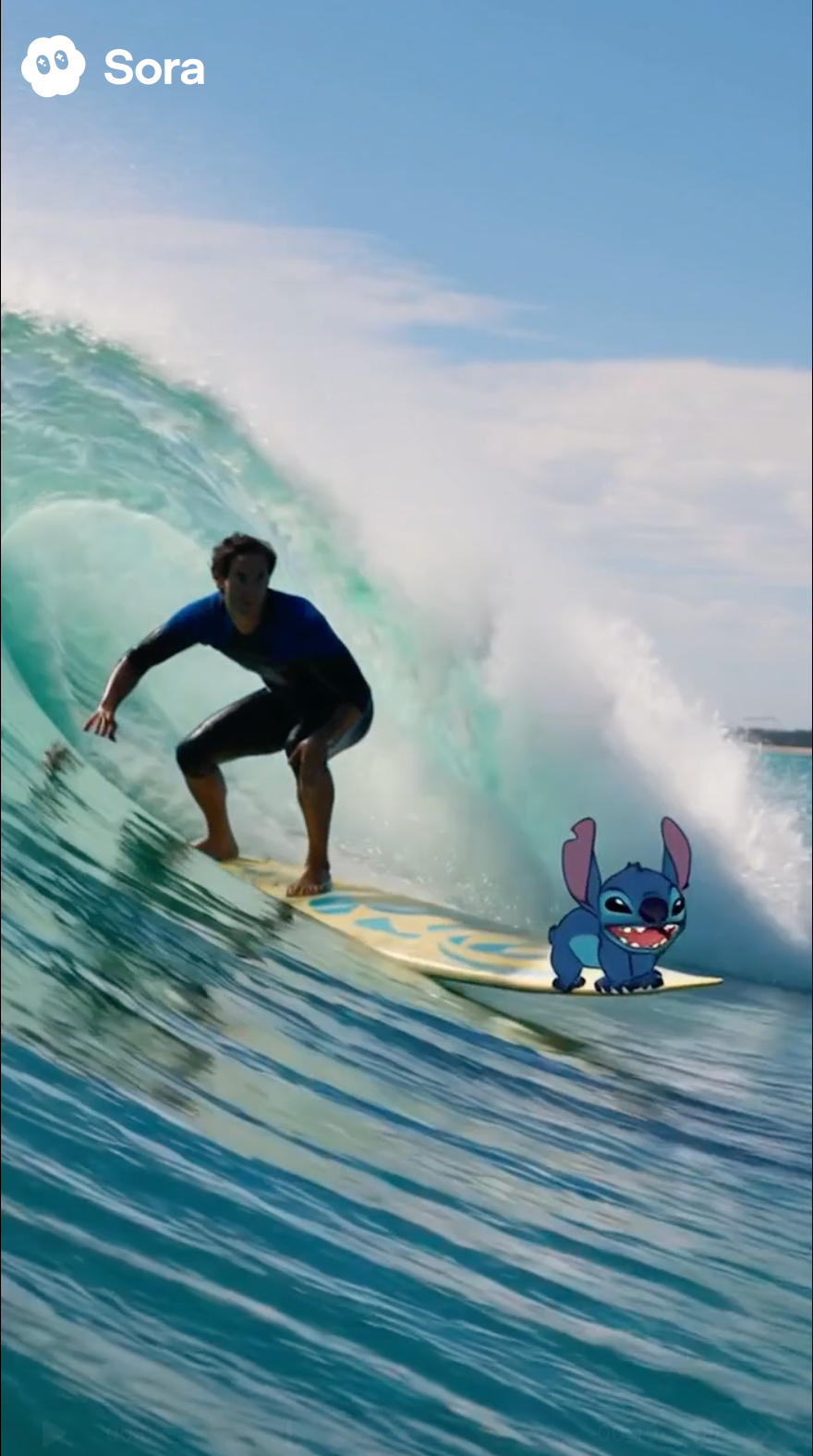
The three-year licensing agreement means that users will be able to utilize Sora to “generate short, user-prompted social videos that can be viewed and shared by fans.” But now that word has gotten out, it doesn’t seem like fans are too thrilled about this new partnership.

As part of the partnership, more than 200 Disney, Marvel, Pixar, and Star Wars characters will be featured on the platform, including a selection of fan-inspired Sora short-form videos available to stream on Disney+. However, this content is limited to animated characters — the agreement does not include any talent likenesses or voices — so don’t expect to see Jack Sparrow on the app anytime soon.
©SORA
Disney will become a major customer of OpenAI, using its Application Programming Interface (API) to build new products, tools, and experiences, including for Disney+ and ChatGPT for Disney employees.
As part of the agreement, Disney is making a $1 billion equity investment in OpenAI and receiving warrants to purchase additional equity in the future.
It was also revealed that ChatGPT Images will be able to turn prompts into fully generated images in seconds using the same intellectual property. Disney shared that as part of the agreement, Disney and OpenAI are “affirming a shared commitment to the responsible use of AI that protects user safety and the rights of creators.”
©Disney
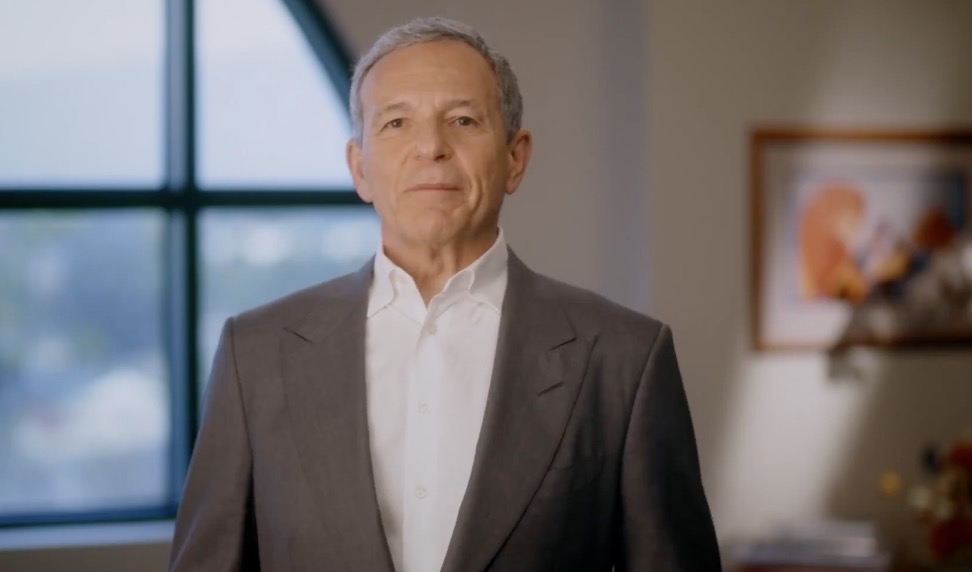
“Technological innovation has continually shaped the evolution of entertainment, bringing with it new ways to create and share great stories with the world,” said Bob Iger, Disney CEO. “The rapid advancement of artificial intelligence marks an important moment for our industry, and through this collaboration with OpenAI, we will thoughtfully and responsibly extend the reach of our storytelling through generative AI, while respecting and protecting creators and their works. Bringing together Disney’s iconic stories and characters with OpenAI’s groundbreaking technology puts imagination and creativity directly into the hands of Disney fans in ways we’ve never seen before, giving them richer and more personal ways to connect with the Disney characters and stories they love.”
©Disney
“Disney is the global gold standard for storytelling, and we’re excited to partner to allow Sora and ChatGPT Images to expand the way people create and experience great content,” Sam Altman, co-founder and CEO of OpenAI, stated. “This agreement shows how AI companies and creative leaders can work together responsibly to promote innovation that benefits society, respect the importance of creativity, and help works reach vast new audiences.”
©Disney x OpenAI
Not only will these videos be available on Sora, but fans will also be able to watch curated selections of the content on Disney+. Sora and ChatGPT images are expected to start generating fan-inspired videos in early 2026.
Essentially, you can expect to see an uptick of Disney characters featured in AI videos — meaning that the users who prompt the videos will be able to “create” a virtually limitless amount of content.
But, from what it sounds like, folks online don’t seem to be too happy about the news.
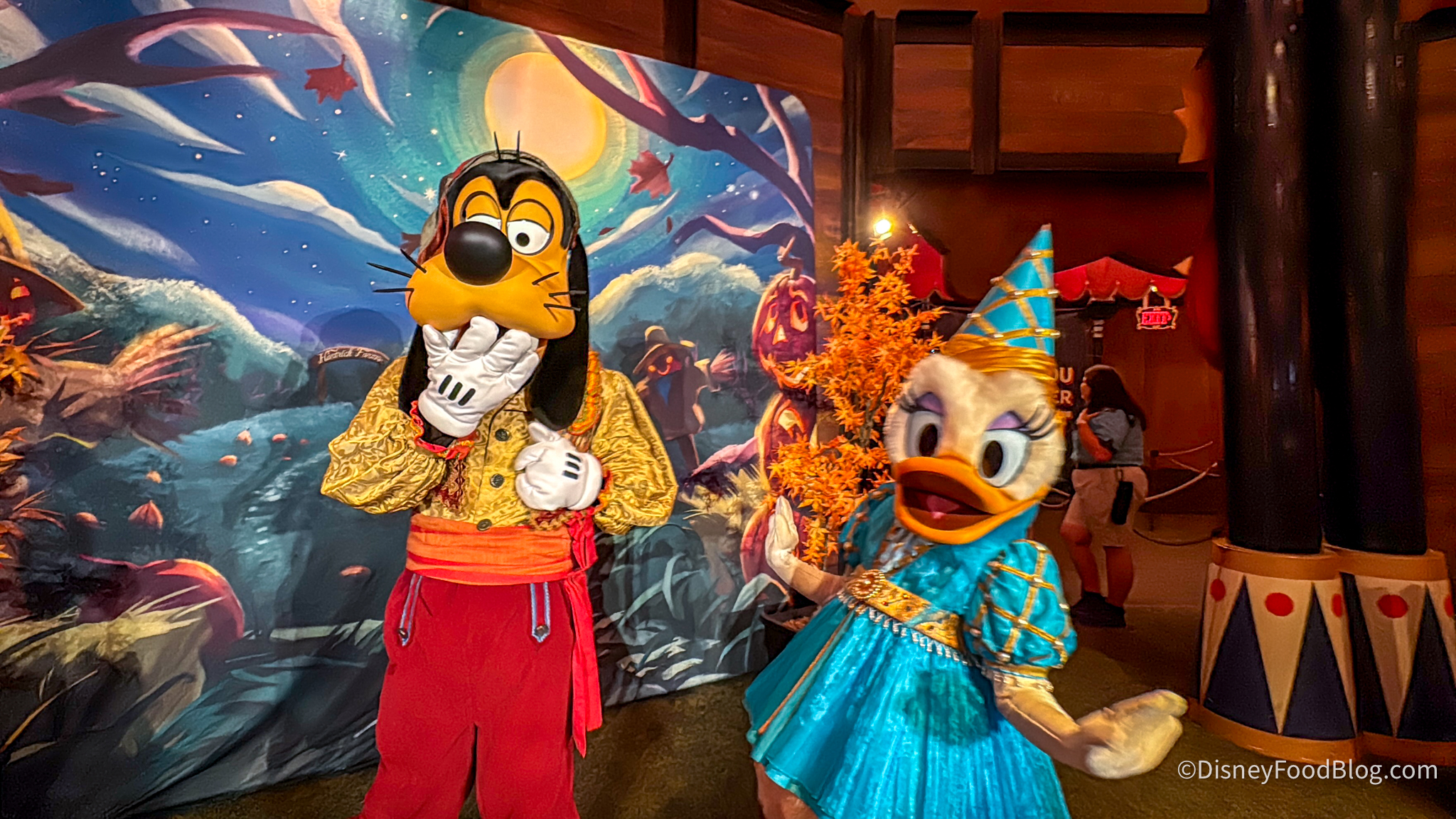
Goofy and Daisy
Business Insider published an article after the news broke, with some opinions from people in media, tech, and business, like Nick Cicero, a digital strategist, who said in a post on X that Disney was aiming to solve two “existential” problems: creators who use unauthorized Disney content and kids watching more YouTube than Disney+.
“Sora gives Disney its first scalable way to pull creator-made content into its own premium ecosystem — brand-safe, trackable, legal, and ready for CTV monetization,” he said, regarding delivering targeted advertising to internet-connected televisions.
“This move isn’t about tech,” he continued. “It’s about revenue physics.”
©Disney
Peter Csathy, a media consultant, said on LinkedIn, “Now THIS is a generative AI use that makes sense to me and I support. Fully licensed characters, thereby respecting copyright and embracing partnership with the creative community (rather than theft of IP). New revenue streams for IP rights-holders. And overall delight by fans of those beloved characters.”
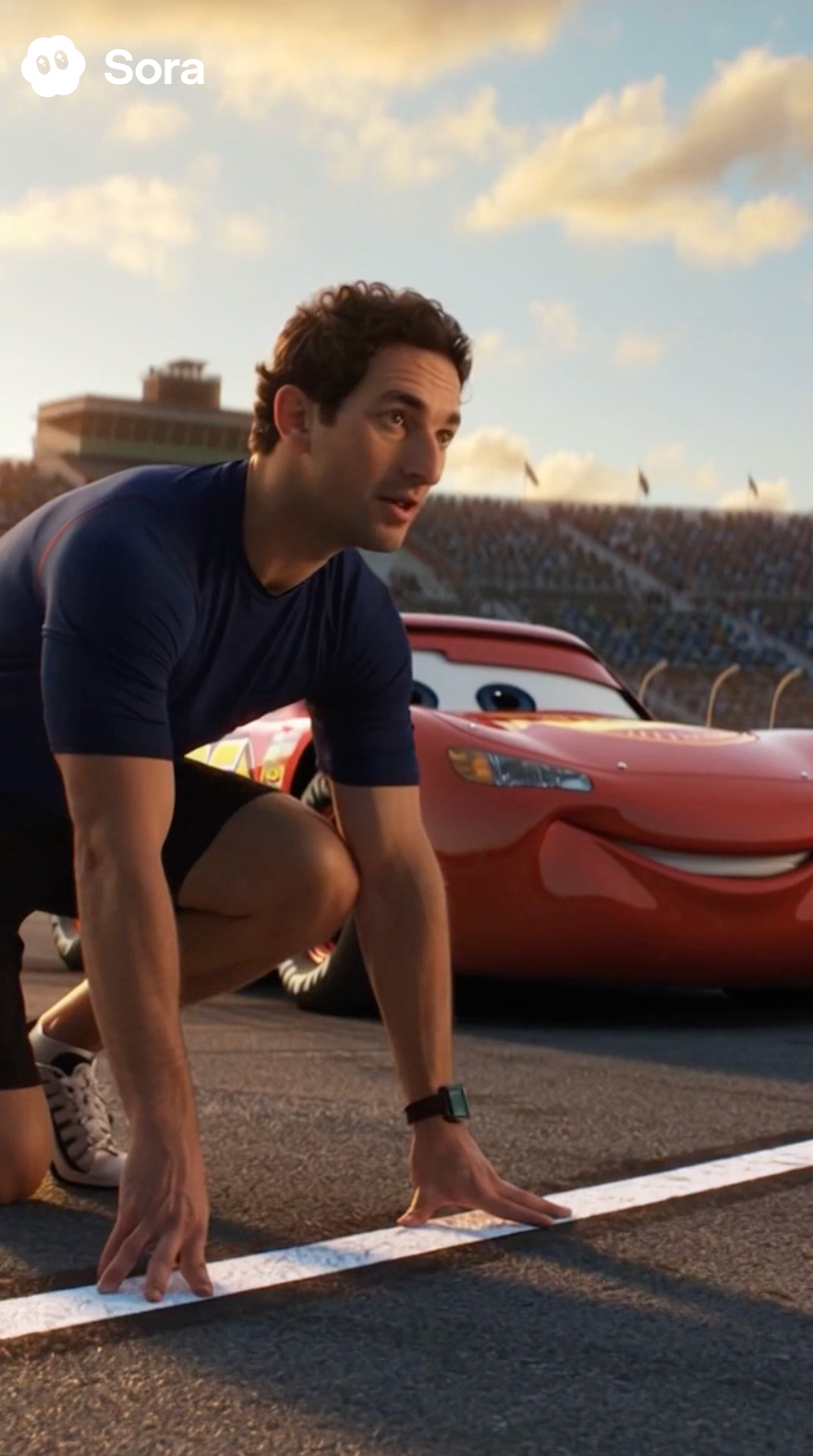
©Disney x OpenAI
The deal presents a valuable marketing opportunity for Disney, according to Caroline Giergerich, an AI and marketing strategist, who said it feels like an “if you can’t beat ’em, join ’em” moment.
“When I was at HBO from ’05 – ’09, I marveled at the sheer volume of cease and desists from the legal team when mobile video was up and coming,” she posted on LinkedIn. “I thought it seemed difficult to fight against the entire internet, and it turns out it was. And AI presents a similar challenge.”

©Disney
This partnership may be Disney’s way of getting out in front of an industry that it feels it can’t keep up with. By controlling the narrative (i.e., content), Disney has more of a say over what sort of AI can be created using its characters.
“By officially licensing these characters now, Disney does three things. 1. Monetizes the AI trend rather than just fighting it in court. 2. Sets the quality standard for how their characters appear in AI video (likely drowning out lower-quality unauthorized versions). 3. Captures data on how fans want to use their IP before they lose exclusive rights,” James Miller, head of business development at Amazon, said on LinkedIn.
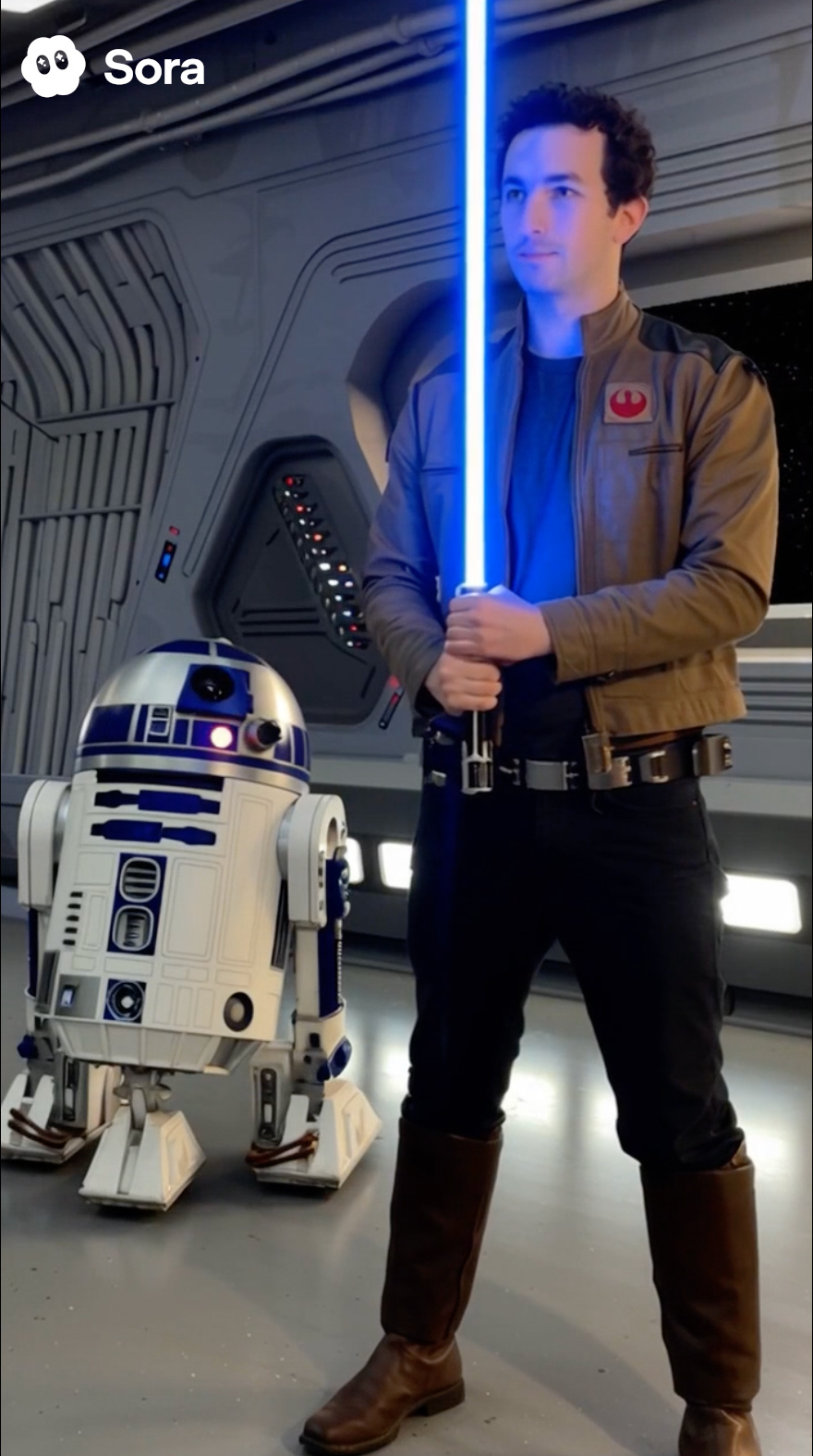
©Disney x OpenAI
During Disney’s most recent company earnings call, CEO Bob Iger said that he was excited about AI being able to provide users with an “engaged experience,” with future opportunities to potentially create and consume user-generated content from others — and this is him delivering on that promise to shareholders.
However, there is a concern about this user-generated content potentially being exploited in a suggestive manner. For example, when the copyright expired, and Steamboat Willie entered the public domain, there was an influx of autogenerated images featuring Mickey’s involvement in the 9/11 terror attacks.
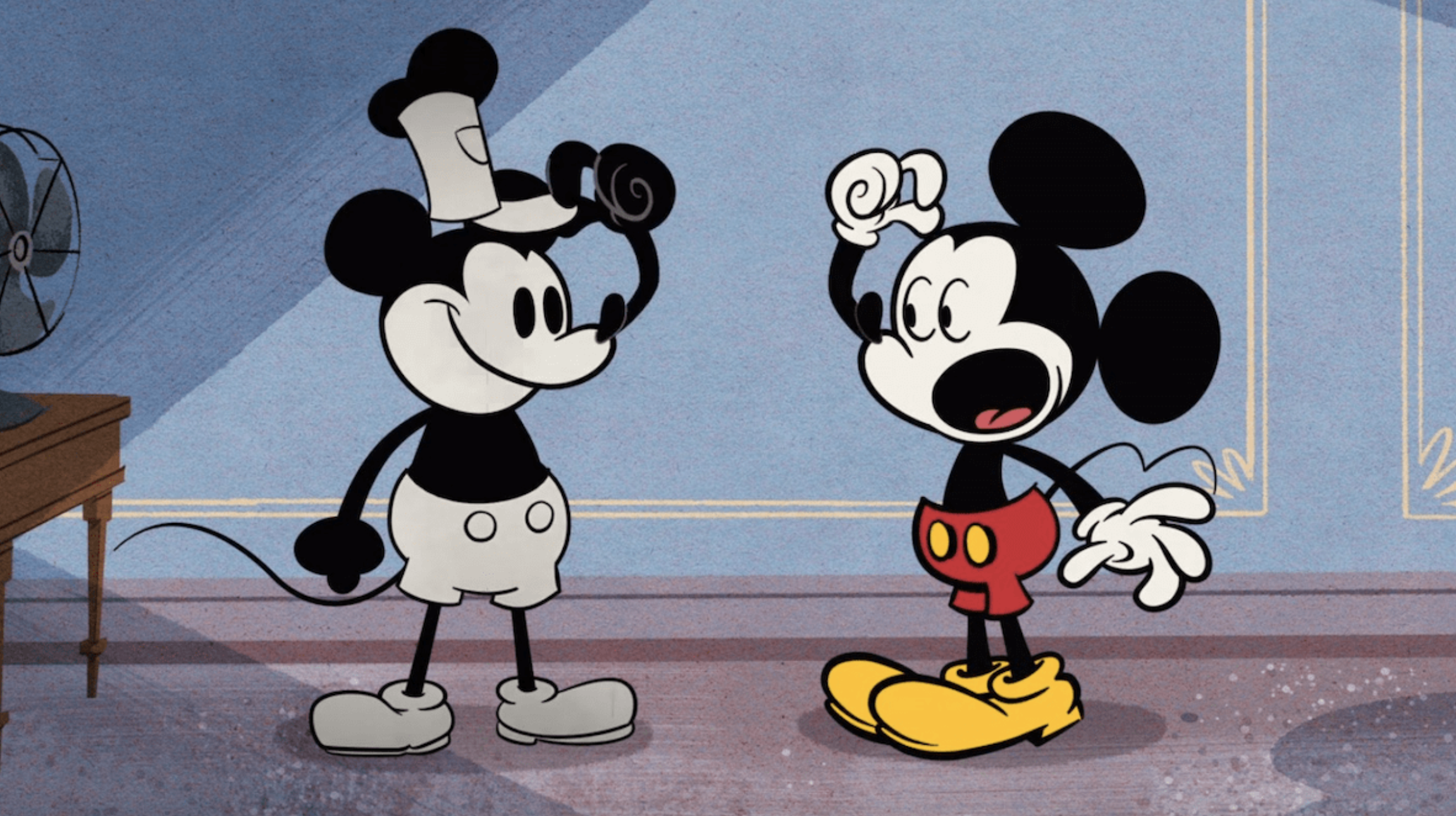
Mickey and Steamboat Willie
In a press release, OpenAI said the company is “committed” to “including age-appropriate policies” and “maintaining robust controls to prevent the generation of illegal or harmful content.” According to Slate, OpenAI has recently lessened ChatGPT’s safety guardrails, despite hundreds of users reporting “real-life harms,” leaving many skeptical of these claims.
Futurism has pointed out that people are “already creating ghoulishly horrifying Sora Disney videos,” with folks on Reddit sarcastically responding about how no one could have seen that coming. Others are praising the suggestive videos in a facetious manner, saying, “…good. Make Disney regret their stance.”

©Disney | Walt Disney Company Headquarters
One Reddit comment said, “They don’t want to pay writers and animators for their work. So, allow the public have a go with their IP characters using AI. And if some of the results are good, take those videos and add them to Disney+. Now you have a platform that showcases ‘the best of the best fanmade videos’ that you didn’t have to pay one cent for but you can still charge people to stream them.”
More people online are lamenting what this means for the decades of artists, creatives, and designers who “actually created and made these characters come to life.” “It’s like watching my childhood be taken out back and shot, then the corpse is reanimated to do racist sketch comedy,” one Reddit user wrote.
Others have pointed out that several generative AI models have had their safety features bypassed in the past, and that clearly applies to Sora based on the more explicit videos and images that have already been created using Disney characters.
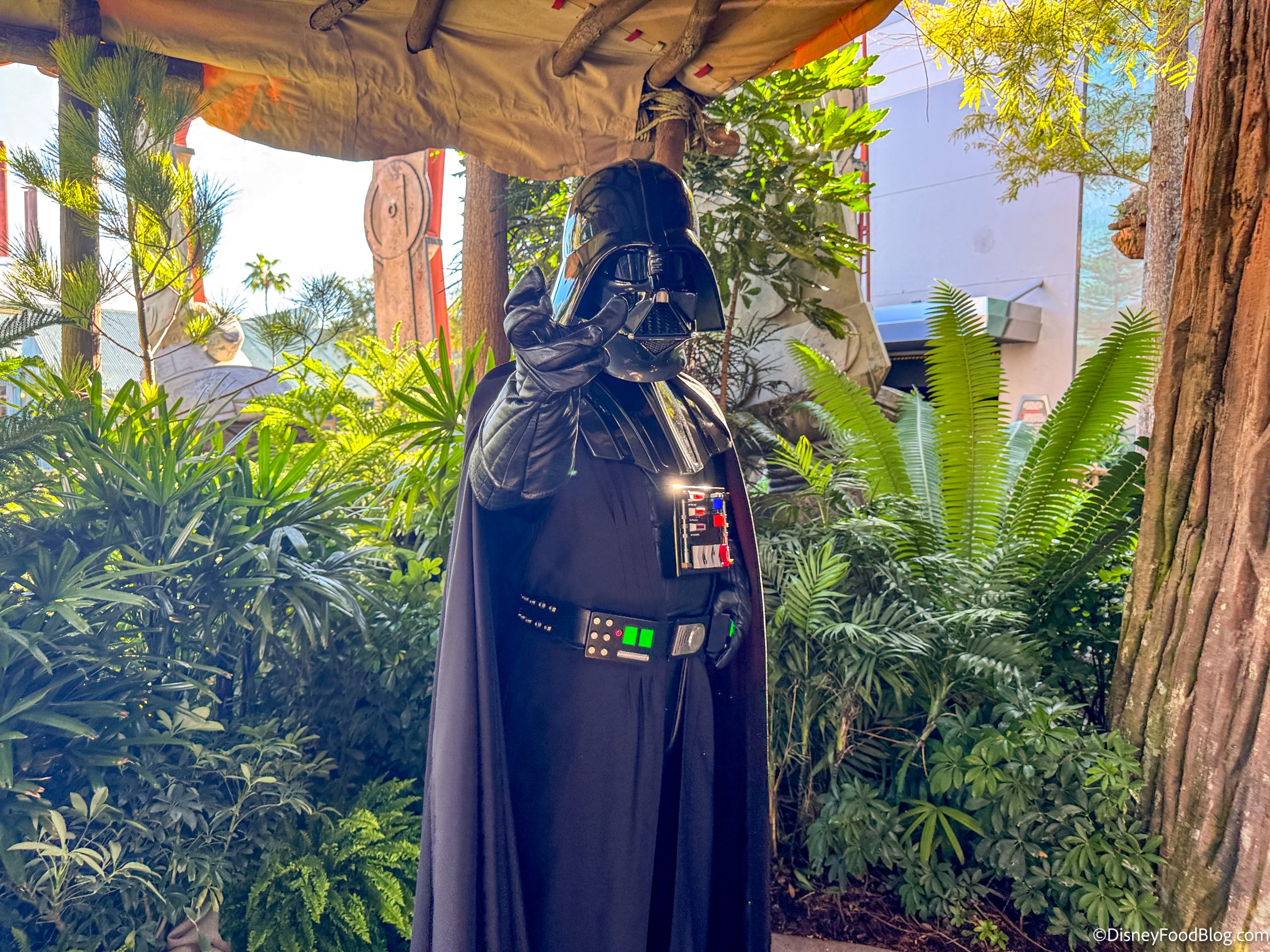
Darth Vader
In a post on X/Twitter, there were also positive comments (though it’s important to point out that many could be from bots, just as with Reddit comments), hailing the new partnership as a plus, saying that this is going to make them even more money. One user shared, “Disney investing $1B in OpenAI and integrating AI-generated videos into its IP ecosystem is huge, Sora generating content with Disney, Marvel, Pixar, and Star Wars characters could redefine storytelling.” Others are saying that it was only a matter of time.
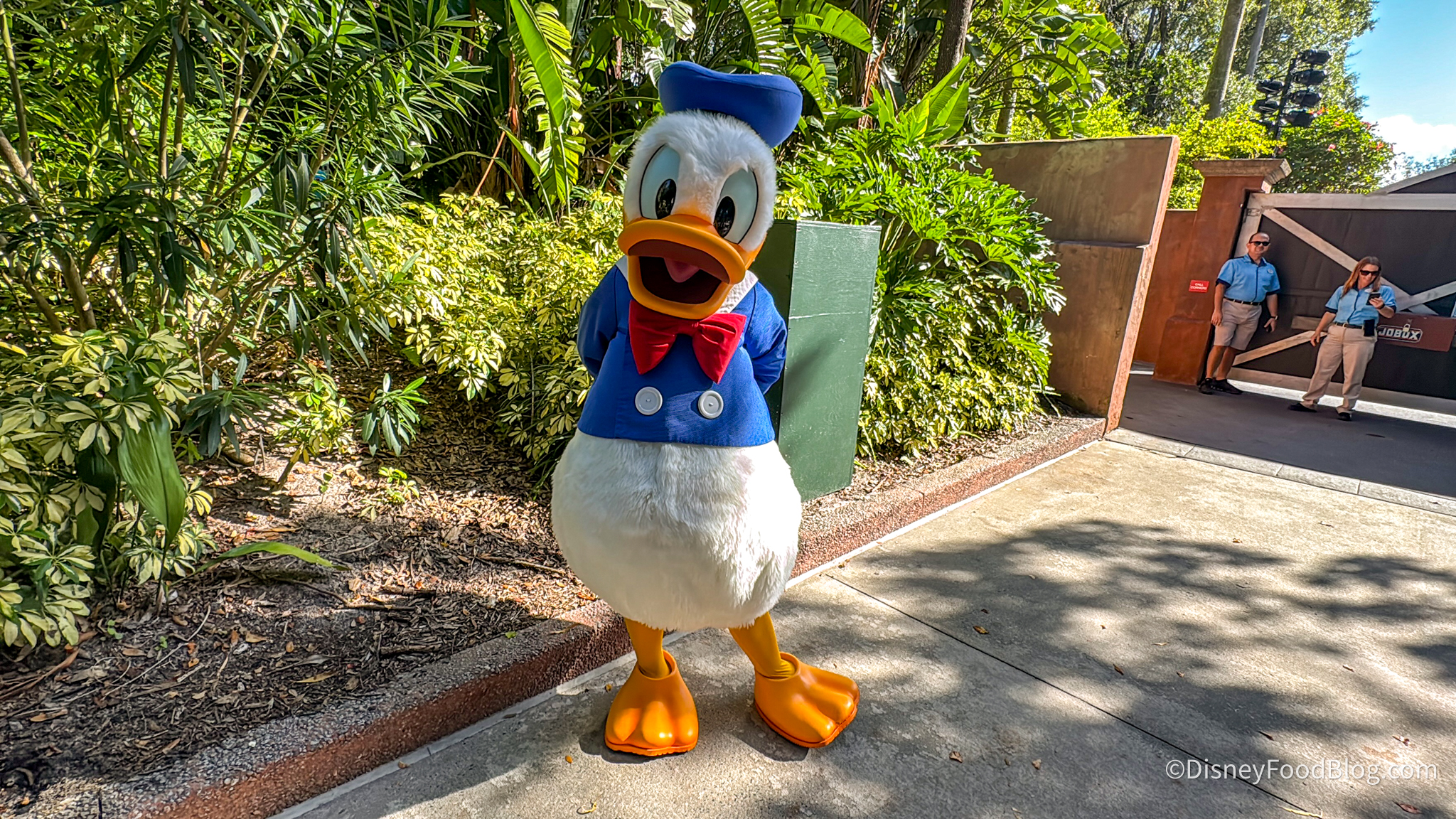
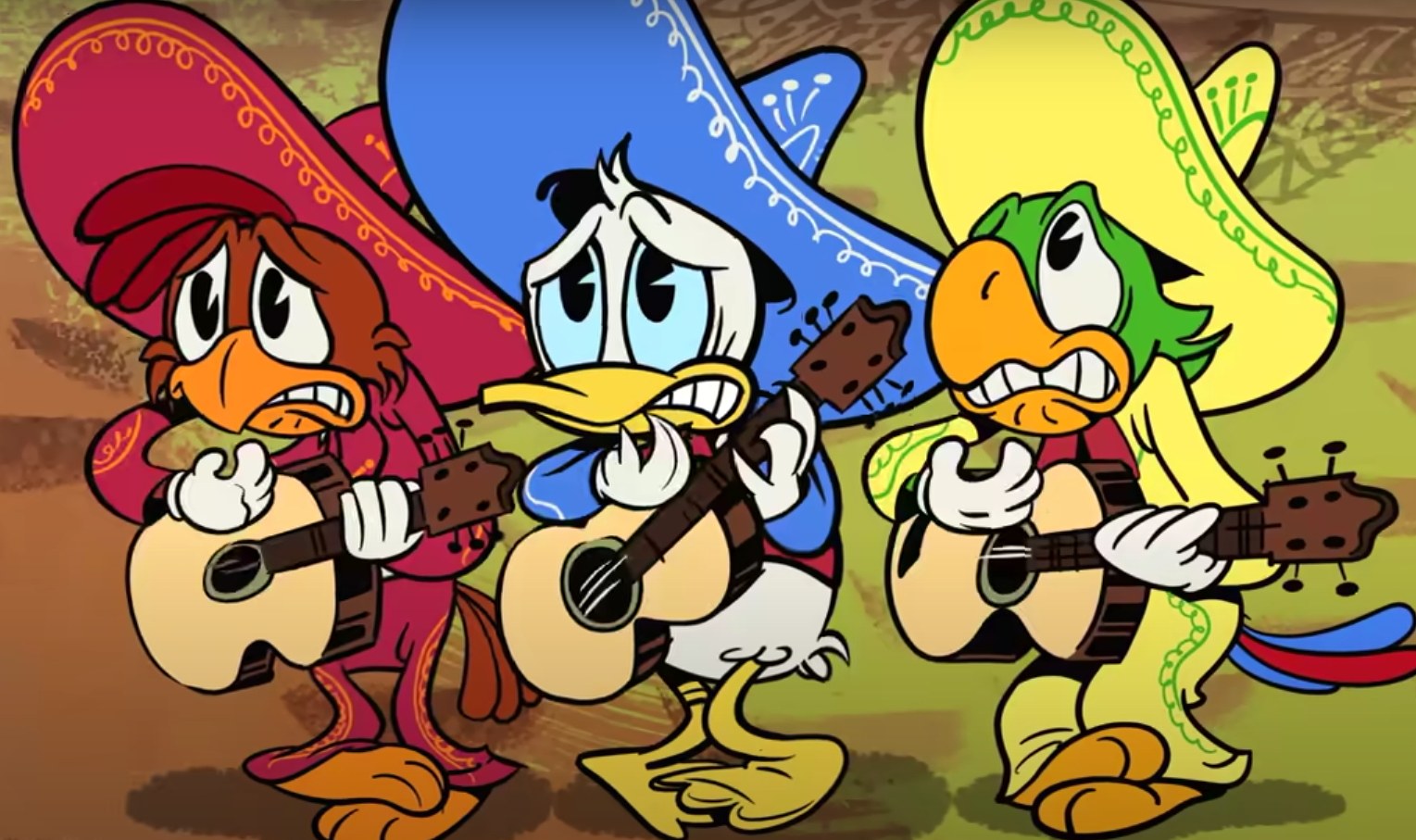
Donald Duck would not be pleased
Ultimately, only time will tell what this partnership will look like and how it will impact the Disney+ viewing experience and the Walt Disney Company as a whole. As more and more people are speaking out against generative AI, we’ll have to wait and see if creating a video of Mickey Mouse singing “Pink Pony Club” will be worth the jobs lost and water wasted.

©Disney
We’ll be on the lookout for additional updates about this partnership. In the meantime, make sure you stay tuned to the Disney Food Blog for the latest Disney news and more.
Will Disney’s New AI Project Make Things BETTER or WORSE?
Join the DFB Newsletter to get all the breaking news right in your inbox! Click here to Subscribe!
WE KNOW DISNEY.
YOU CAN, TOO.
Oh boy, planning a Disney trip can be quite the adventure, and we totally get it! But fear not, dear friends, we compiled EVERYTHING you need (and the things to avoid!) to plan the ULTIMATE Disney vacation.
Whether you're a rookie or a seasoned pro, our insider tips and tricks will have you exploring the parks like never before. So come along with us, and get planning your most magical vacation ever!
What do you think of this new partnership? Let us know in the comments.







 Our handy (and portable!) ebook guides make sure you get the best deals and can plan a vacation of a lifetime.
“We’ll have to wait and see if creating a video of Mickey Mouse singing “Pink Pony Club” will be worth the jobs lost and water wasted.” YES. The moment Disney invested a billion dollars in AI was the moment the company took a side—a side against creatives, a side against the environment, and a side against the legacy of its own IP. This was a shortsighted, foolish, greedy move, and the Disney brand will suffer. Excellent piece, Sam!
Effectively ceding control equals greatly diminished and devalued IP. Although Disney has been making it clear for years it doesn’t actually value its legacy IP.
It’s easy for everyone to criticize, but if you were in Disney’s shoes, you’d likely take the same path. Better to be part of leading AI rather than chasing and trying to control it. The public looks to judge, but so few are even qualified to do so and have had little if any business leadership experience.
Disney sucks more and more every day. It’s all about the almighty buck and nothing else. Walt would be disgusted with the direction they are taking the company he worked so hard to build.