
You think you’re getting exactly what you ordered on Amazon—but that’s not always the case.
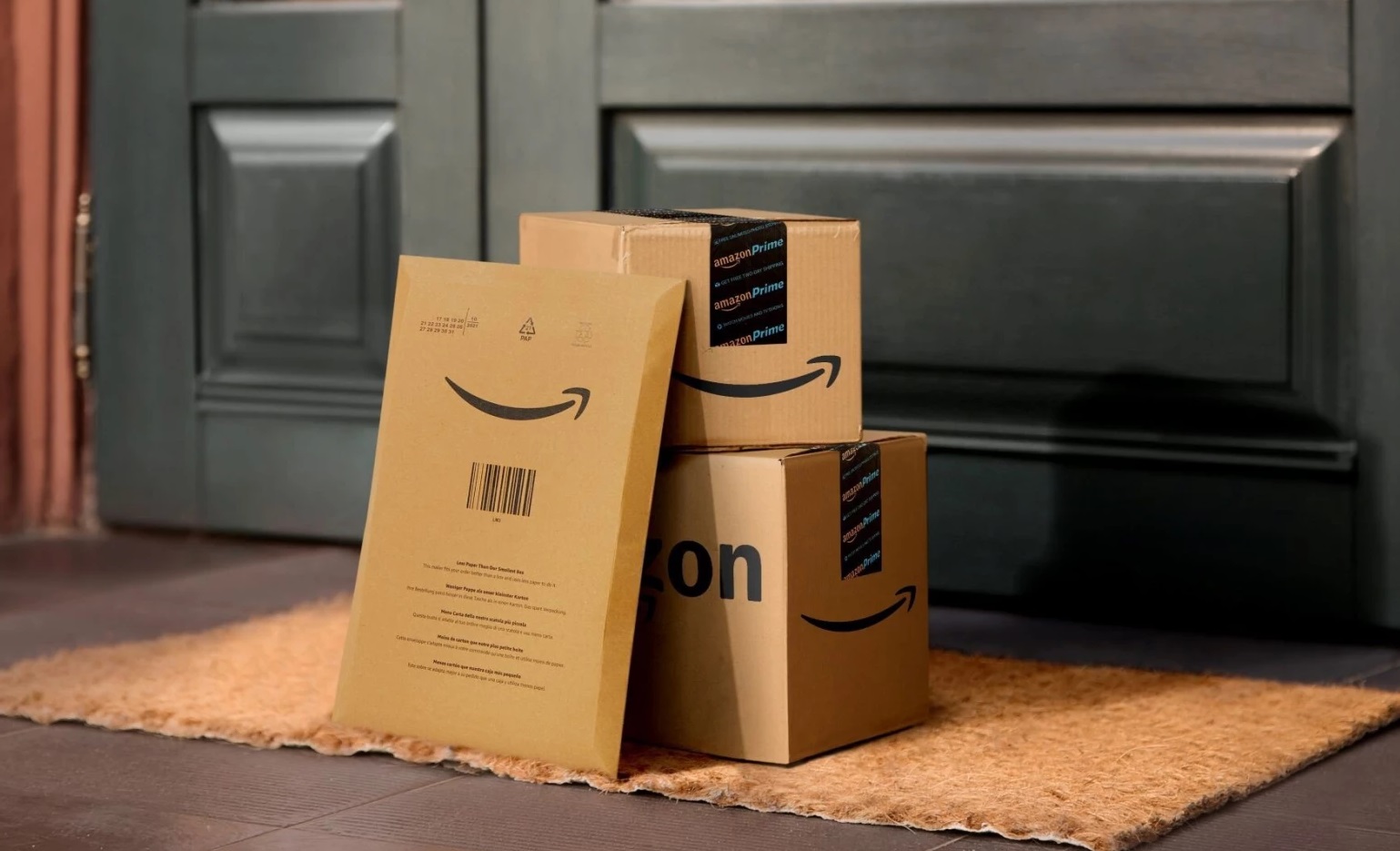
©Amazon
You may not realize that the item you’re buying on Amazon might not actually come from the seller listed on the product page. In fact, Amazon uses a system that allows products from different third-party sellers to get tossed into the same inventory pile—regardless of who you clicked “Buy” from. It’s called “commingling,” and it’s one of those behind-the-scenes things we wish more people knew about. So here’s what that means for your next purchase (and why it might not be what you think you’re getting).
What Is Commingling (and Why Should You Care)?
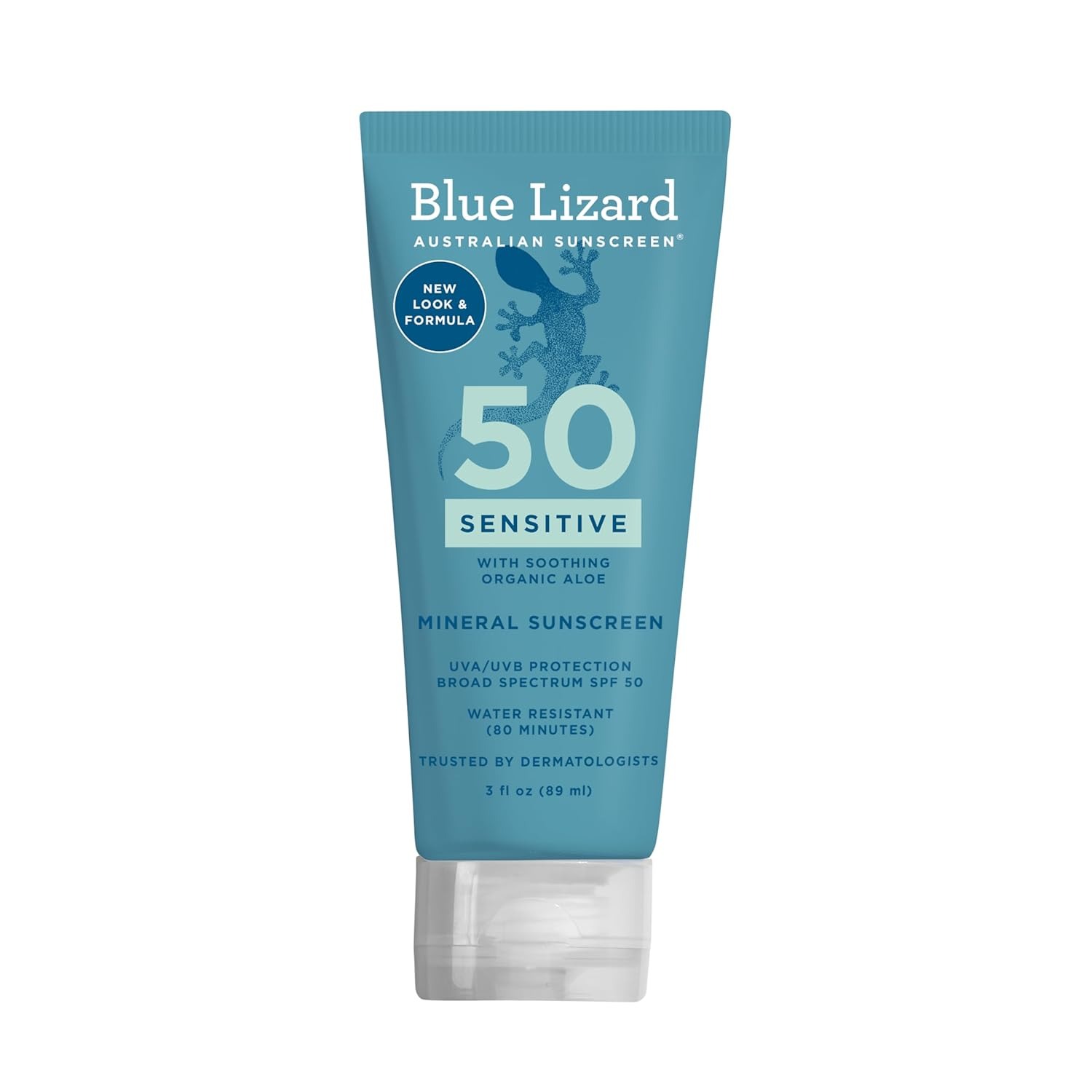
So here’s the deal: Amazon allows third-party sellers to send their inventory to Amazon’s fulfillment centers. If those sellers use something called FBA (Fulfilled by Amazon), Amazon can take identical products—like the same shampoo bottle or Star Wars mug—and lump them all together, regardless of who sent them in.
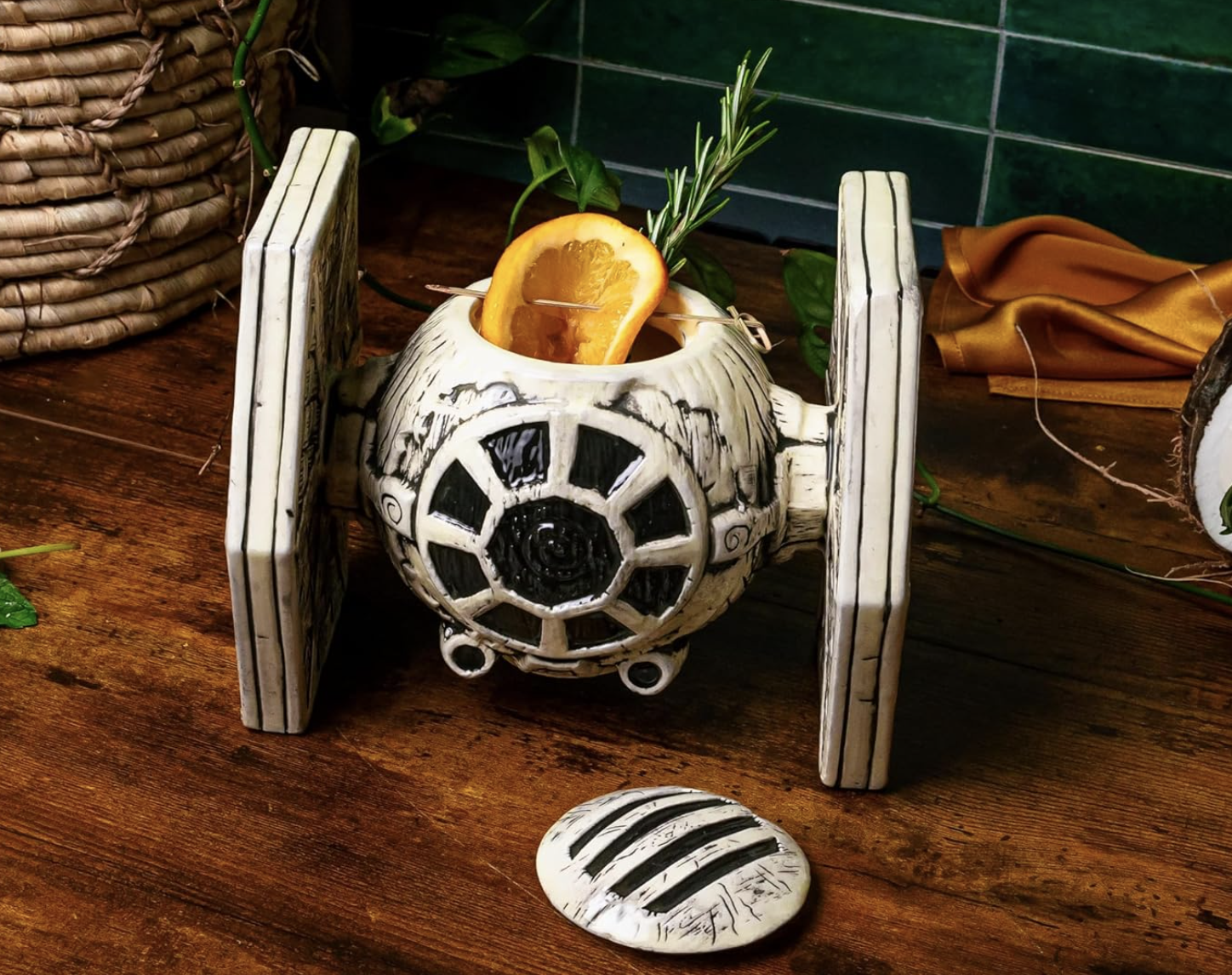
©Amazon
This means if five different sellers are all selling the exact same product (same barcode, same version, same manufacturer), Amazon puts them into one big pool of inventory. Then, when you click “Buy Now” on a listing from Seller A, Amazon might ship you an item from Seller B. Or Seller C. Or even Seller Z. That doesn’t sound like a big deal at first. After all, if they’re the same product, what’s the harm? Well… not all products with the same barcode are created equal.
Different Sellers, Different Quality
While many sellers are totally legit, some cut corners. They might sell expired items. They might send in knockoffs. Or their product might be the right brand but stored poorly—think sun-damaged packaging or busted seals. Amazon’s system doesn’t always distinguish between what’s authentic and what’s not, as long as it scans in under the same universal barcode.
©Amazon
So you think you’re buying from a reputable, high-rated shop. But Amazon may quietly grab the product from a completely different seller who just happened to send in the same item. You won’t know it. You can’t opt out of it. And you might not realize anything’s wrong until the product shows up on your doorstep and feels… off.
Why Does Amazon Do This?
It all comes down to speed and convenience. Amazon wants to ship things quickly, and pulling from the closest warehouse with the product available saves time and money. Their algorithm isn’t prioritizing your seller preference—it’s prioritizing logistics.

©Amazon
And because the items are supposed to be “identical,” Amazon sees no issue with this practice.
What Can You Do About It?
Unfortunately, you can’t stop Amazon from commingling inventory. But there are a few things you can do to lower your chances of getting the wrong item:
- Look for “Ships from and sold by [seller name]” — this is your best bet to avoid third-party fulfillment entirely. It doesn’t guarantee no commingling, but it may reduce the risk.
- Check reviews carefully. If people are mentioning knockoffs, damaged goods, or weird packaging, take that seriously. Even if most reviews are good, one bad batch from a shady seller can tank the experience.
- Be extra cautious with food, supplements, and skincare. These are high-risk categories for expired or counterfeit products, and commingling increases that risk.
- When in doubt, buy direct from the brand. If Disney (or any other brand) offers it on their official site, that’s always the safest route.
So… Should You Stop Using Amazon?
We’re not saying that. We all love Amazon for the convenience, and it’s still a solid place to buy a lot of things—especially when you’re in a rush or can’t get something locally. But if you’re buying collectible items, park-exclusive merch, or anything you really care about the quality of, just know what you’re getting into.

Amazon Package
We’re always on the hunt for the latest and greatest Disney souvenirs and essentials, so don’t forget to stay tuned to the Disney Food Blog for more!











 Our handy (and portable!) ebook guides make sure you get the best deals and can plan a vacation of a lifetime.
All the reasons you mention (and more) are the reasons I avoid FBA if possible. For fun items, where quality isn’t as crucial, it can be fine. But on most things FBA, if I can get them elsewhere, I do. What I worry about is Amazon commingling their own authentically sourced inventory with third party providers. I have been lucky when I have ordered sold/shipped by Amazon items, even when I’ve seen reviews about other people receiving poor quality or seemingly imposter goods for those items. But I am honestly just waiting for the day that it happens to me.
Indeed! I don’t ever buy food items from Amazon.